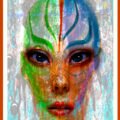
Creativity Realm
The importance of exploring underlying mechanisms:
- The Creative Process: Several stages have been identified in the creative process. These typically include preparation (gathering information and knowledge), incubation (allowing ideas to develop unconsciously), illumination (the “aha” moment of insight), and verification (evaluating and refining the idea).
- Divergent Thinking: Divergent thinking involves generating multiple solutions or ideas by exploring different perspectives, making novel connections and defying conventional patterns of thinking. Divergent thinking is associated with fluency, flexibility, originality, and elaboration of ideas.
- Creative Personality: Personality traits such as openness to experience, curiosity, willingness to take risks, and tolerance for ambiguity are linked to creative thinking. Expertise and motivation also play important roles.
- Environmental Factors: Factors like supportive and stimulating surroundings, exposure to diverse experiences, collaboration with others, and access to resources enhance creative thinking. Restrictive or highly structured environments may hinder creative expression.
- Domain-Specific Expertise: Mastery of a particular field or domain provides a foundation for generating innovative ideas and making meaningful contributions.
- Creative Blocks and Enhancers: Creative blocks arise from factors like fear of failure, self-doubt, or excessive pressure. Factors like intrinsic motivation, autonomy, positive feedback, and a supportive social network facilitate creative expression.
- Cognitive Processes: Cognitive processes underlying creativity include associative thinking, pattern recognition, analogical reasoning, and problem-solving strategies. These processes emphasize the ability to connect seemingly unrelated ideas, reframe problems, and approach challenges from multiple angles.
- Creative Development: Creativity can be developed and nurtured through deliberate practice, exposure to diverse stimuli, and the cultivation of certain mindsets and habits. Encouraging exploration, curiosity, and a willingness to take risks supportd the growth of creative abilities.

Creativity
“Creativity is intelligence having fun.” – Albert Einstein
Creative Expression
Rollo May was an influential American existential psychologist who explored the concept of creativity within the realm of human existence. May believed that creativity is an essential aspect of human nature and a crucial force for personal growth and self-realization.
According to May, creativity is not limited to artistic endeavors but encompasses all aspects of human expression, including problem-solving, decision-making, and the ability to create a meaningful and authentic life. He emphasized the importance of creative expression as a way to confront and transcend the existential challenges of existence, such as anxiety, meaninglessness, and the fear of death.
May believed creative processes are rooted in the individual’s ability to embrace and accept their own unique identity, experiences, and emotions. He emphasized the role of courage in creativity as individuals must confront their fears and step into the unknown to fully express themselves and discover new possibilities. Frequently I find myself at an uncomfortable juncture in painting striving to make sense of the product. Working through the awkward doubt is an important step in expressing creativity.
May also highlighted the significance of solitude and reflection in nurturing creativity. He argued that solitude allows individuals to delve into their inner world, connect with their deepest desires, and tap into their creative potential. In this sense, creativity becomes a means of self-discovery and self-actualization. I completely agree. My art studio faces a forest where my conscious mind can slip into neutral allowing my unconscious energies to guide my brush. Seldom do I create a sketch or approach a canvas with a preconceived image in mind. I start with a few brush strokes and see where they lead.
Overall, Rollo May’s work on creativity emphasized its central role in human existence, urging artosts to embrace their authentic selves, confront existential challenges, and engage creative expression as a pathway to personal growth, meaning, and emotional fulfillment.

“Creativity is the courage to eschew knowns and embrace infinite unknowns.”
